
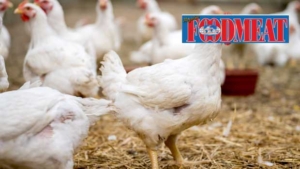
Italian poultry production is growing in 2024 : the white meat supply chain is recording a 3.6% growth in volume, while domestic consumption is up 3.7%, reaching 22 kg per capita, the highest level in the last decade. This trend will continue in the first half of 2025, with stable production and increasing domestic spending. Unaitalia, the national association of the Italian poultry sector , provided the picture during its national assembly in Rome. The sector currently employs 64,000 people across the entire supply chain—25,500 of whom work in processing—and generates a total turnover of €7.75 billion (up 3.3% from 2023). White meat represents 44% of meat purchased by Italians and 34% of total domestic meat spending, confirming its position as an accessible, versatile, and sustainable protein. The egg sector is also performing well: production is up 3% and consumption is up 3.8%.
[…]
"This year we celebrate the 20th anniversary of the Unaitalia poultry labeling guidelines , a strategic asset for the sector that clearly captures this reality, ensuring traceability and consistency of voluntary labeling information throughout the supply chain. Seventy-six percent of national production currently adheres to the Unaitalia guidelines," Forlini continues, "and by 2024, a third of Italian production will certify animal welfare parameters on farms that exceed legal limits, including the use of environmental enrichment (61%), natural light (66%), reduced stocking densities (33%), and slower-growing genotypes (8.5%), all parameters that reflect a steadily increasing trend year after year."
The process certified by the Regulations is not the result of ideological impositions but rather a forward-thinking choice by the sector. Enshrined in a technical regulation authorized by the Ministry of Agriculture in 2005 and subject to periodic audits by a third-party inspection body ( CSQA ), the Regulations—now in their eighth revision—summarize the poultry farming vision: the pursuit of the best possible balance between sustainability, accessibility, and competitiveness.
[…]
Source: Food Meat Magazine