
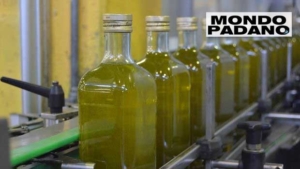
A master's thesis from the Catholic University, conducted as a case study as part of the AgriFood Lab project, analyses the Scope 3 emissions of Oleificio Zucchi SpA and highlights how approximately three-quarters of the carbon footprint occurs upstream of the company's perimeter .
Measuring a company's climate impact is most complex precisely where it is least visible. Direct emissions, attributable to plants, the company's fleet, and purchased energy, are relatively easy to quantify. Difficulties arise outside the company's perimeter , namely in suppliers' agricultural processes, the transformation phases at the mills, and international procurement logistics. These are the so-called Scope 3 emissions , which are indirect because they are generated by third parties along the value chain and are therefore the most challenging to report.
With the introduction of the CSRD Directive and the related ESRS standards, their reporting has also become no longer optional.
[…]
Founded in 1810, with a turnover of over €300 million in 2024 and a presence in over 45 countries, Oleificio Zucchi has been publishing its Sustainability Report on a voluntary basis since 2005 and acquired benefit corporation status in 2025. This framework is based on a traceability architecture that has been progressively developed over time, including the Supply Chain 4.0 project, the DTP 125 and DTP 112 technical specifications developed in collaboration with CSQA, the iSCC PLUS certification, and, in 2024, the Made Green in Italy ministerial recognition.
[…]
Source: Mondo Padano